
 By admin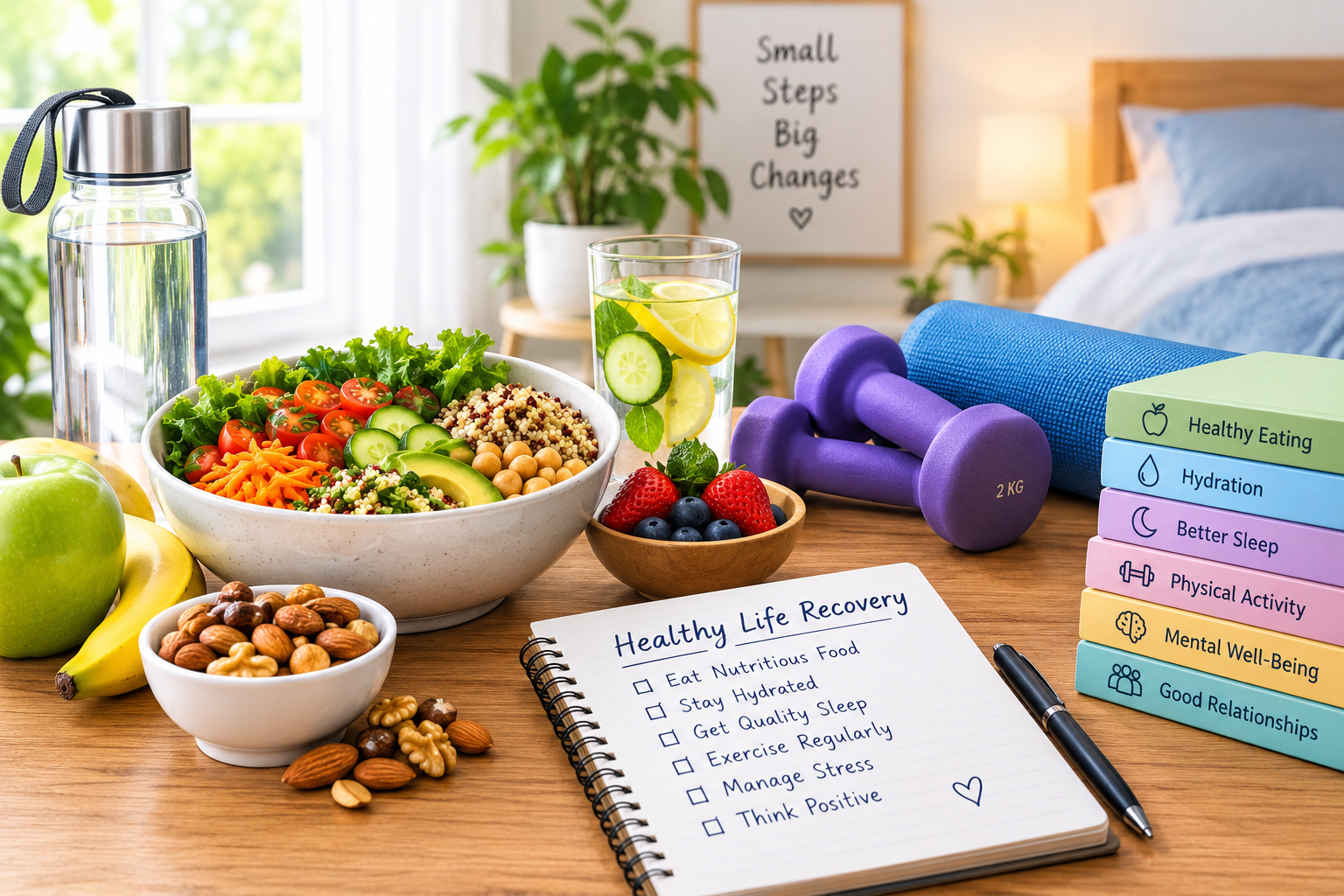
Healthy Life Recovery: A Complete Guide to Rebuilding Your Health and Well-Being
Life can sometimes leave us feeling worn out, mentally exhausted, or out of touch with our healthy habits. Juggling busy schedules, unhealthy eating, sleepless nights, stress, and a sedentary lifestyle can slowly chip away at our overall well-being. The silver lining? It’s never too late to start making healthier choices.
Whether you’re looking to bounce back from an unhealthy lifestyle, boost your energy, enhance your eating habits, or simply feel better day by day, a practical approach can make the journey a lot smoother.
What Is Healthy Life Recovery?
Healthy life recovery refers to the gradual process of returning to healthier daily habits after a stretch of poor lifestyle choices, stress, inactivity, or unhealthy routines.
This journey can touch on various aspects of life, including:
– Eating nutritious foods
– Getting enough quality sleep
– Staying physically active
– Managing everyday stress
– Drinking enough water
– Building healthy routines
– Maintaining social connections
– Taking care of emotional well-being
– Avoiding harmful lifestyle habits
Remember, the goal isn’t perfection. A healthy lifestyle is built on realistic choices that you can stick with over time.
Why Is Healthy Life Recovery Important?
Your daily habits play a huge role in how you feel and function. When unhealthy habits linger for too long, you might find yourself dealing with low energy, restless nights, trouble focusing, stress, and a dip in motivation.
Healthy life recovery offers you a chance to hit the reset button on your routine.
For instance, swapping out highly processed snacks for nutritious options, taking a daily stroll, improving your sleep schedule, and carving out time for relaxation can gradually transform your well-being.
1. Start With a Balanced Diet
Nutrition plays a crucial role in leading a healthy lifestyle. Your body craves a mix of nutrients to fuel your energy, support normal functions, and maintain overall health.
A well-rounded diet should feature a variety of foods, including.
– Fresh fruits
– Vegetables
– Whole grains
– Beans and lentils
– Nuts and seeds
– Eggs
– Fish or other protein sources
– Healthy fats
– Low-fat or appropriate dairy products
Aim to make your meals colorful and diverse. Different foods offer different nutrients, so enjoying a wide array of wholesome options can help you achieve a balanced diet.
You don’t have to cut out your favorite treats entirely; just focus on moderation and balance.
2. Drink Enough Water
Staying hydrated is another simple yet vital aspect of a healthy recovery. Water plays a key role in many bodily processes, and not drinking enough can lead to feelings of thirst, fatigue, and headaches.
Keep water handy throughout the day. You can also hydrate through foods like fruits, vegetables, soups, and other beverages.
Your personal fluid needs can change based on factors like how active you are, the climate, your age, and your overall health.
If plain water doesn’t excite you, try jazzing it up with slices of lemon, cucumber, or fresh fruit for a refreshing twist without relying too much on sugary drinks.
3. Improve Your Sleep Routine
Sleep is a vital component of recovery and overall well-being. When you consistently don’t get enough rest, it can be tough to focus, stay motivated, and keep up with healthy habits.
Establish a regular sleep routine by aiming to go to bed and wake up at the same time each day.
Some helpful habits include:
– Keeping your bedroom cozy and quiet
– Reducing screen time before bed
– Avoiding heavy meals close to bedtime
– Creating a calming nighttime routine
– Sticking to a consistent sleep schedule
Most adults need about seven or more hours of sleep each night, though individual requirements can vary.
If you frequently struggle with sleep, consider reaching out to a qualified healthcare professional for guidance.
4. Embrace Regular Physical Activity
Exercise doesn’t have to mean spending hours at the gym. You can kickstart your journey to a healthier life with simple activities that match your current fitness level.
Things like walking, cycling, swimming, stretching, dancing, gardening, and even household chores can all help you stay active. If you’ve been on the sidelines for a while, take it easy at first. Maybe start with a short daily walk and gradually build up your time.
Staying physically active can boost your heart health, strengthen your muscles, improve your mobility, lift your mood, and enhance your overall fitness. The key is to pick activities that you genuinely enjoy so you’ll stick with them.
5. Tackle Everyday Stress
Stress is just a part of life, but when it sticks around too long, it can throw a wrench in your healthy routines. That’s why managing stress is crucial for your recovery journey.
Here are some simple techniques you can try:
– Take slow, deep breaths
– Go for a walk
– Spend some time outdoors
– Listen to calming music
– Practice mindfulness
– Chat with someone you trust
– Take regular breaks
– Organize your daily tasks
You don’t have to eliminate every stressor from your life. Instead, focus on finding healthier ways to handle stressful situations. If stress ever feels too much to bear or starts interfering with your daily life, seeking professional support can be a great option.
6. Cut Back on Highly Processed Foods
You don’t have to completely ditch processed foods, but consuming a lot of items loaded with added sugars, sodium, or unhealthy fats can make it tough to keep a balanced diet.
Instead, consider gradually swapping out some of those highly processed foods for whole or minimally processed options. For instance:
– Instead of sugary breakfast cereals every day, try oatmeal topped with fruit and nuts.
– Instead of chips as your go-to snack, opt for fruit, yogurt, or a small handful of nuts.
– Instead of sugary drinks, reach for water or unsweetened beverages.
Making small changes can be much easier to stick with than imposing strict restrictions.
7. Create a Realistic Daily Routine
Embracing a healthy lifestyle becomes much easier when you weave healthy choices into your daily routine.
Consider crafting a straightforward schedule that carves out time for:
– Breakfast
– Work or study
– Physical activity
– Nutritious meals
– Water breaks
– Relaxation
– Family or social time
– Sleep
Be careful not to overload your routine with too many goals all at once. Start with just two or three habits. Once those feel natural, you can gradually add more improvements.
8. Take Care of Your Mental Well-Being
Recovering a healthy life isn’t just about the physical aspect; your mental and emotional health is just as crucial.
Make sure to carve out time for activities that help you unwind and recharge. Whether it’s reading, writing, pursuing hobbies, spending quality time with loved ones, listening to music, or enjoying the great outdoors, these can all contribute to a well-rounded lifestyle.
And remember, asking for help is a sign of strength, not weakness. If you find yourself grappling with persistent feelings of sadness, anxiety, or hopelessness, it might be time to reach out to a qualified mental health professional.
9. Build Healthy Relationships
Social connections are vital for your overall well-being.
Make an effort to spend quality time with family, friends, or anyone who supports your goals. A nurturing environment can really help keep you motivated as you work on changing your habits.
Healthy relationships thrive on communication, respect, trust, and setting boundaries. If certain relationships consistently bring you stress, don’t hesitate to establish boundaries and seek support when you need it.
10. Avoid the All-or-Nothing Mindset
One of the biggest pitfalls during your journey to a healthier life is expecting perfection.
You might indulge in an unhealthy meal, skip a workout, stay up too late, or miss a planned activity. But that doesn’t mean you’ve failed in your progress.
Instead of thinking, “I’ve messed everything up,” just get back on track with your healthy routine at the next chance you get. Remember, progress isn’t about being flawless every single day; it’s about consistently making healthier choices.
A Simple Healthy Life Recovery Plan
If you’re unsure where to kick things off, give this straightforward approach a shot:
**Week 1:Focus on the Basics**
Start by upping your water intake, getting your sleep schedule in check, and squeezing in a short walk each day.
**Week 2: Improve Your Meals**
Incorporate more veggies, fruits, whole grains, and protein-packed foods into your meals.
**Week 3: Increase Activity**
Gradually ramp up your physical activity based on what feels right for you and your fitness level.
**Week 4: Focus on Stress and Routine**
Craft a realistic daily schedule and sprinkle in a few stress-busting activities.
Keep in mind that these are general lifestyle suggestions, not a medical treatment plan. Your individual needs may vary based on your age, health, medications, and activity level.
**Common Mistakes During Healthy Life Recovery**
Trying to overhaul everything at once can make it tough to stick to healthy habits. Here are some common pitfalls to watch out for:
– **Setting Unrealistic Goals**
Aiming for something like “I’ll completely change my lifestyle tomorrow” can be hard to keep up with.
– **Following Extreme Diets**
Very restrictive diets can be tough to maintain and might not offer balanced nutrition.
– **Ignoring Sleep**
Some folks get so focused on food and exercise that they forget how crucial good sleep is.
– **Comparing Yourself With Others**
Everyone starts from a different place, so it’s better to compare your current habits with your past ones instead.
– **Giving Up After a Setback**
A setback doesn’t mean you’ve failed. Use it as a chance to learn what went wrong and tweak your routine.
**How to Stay Motivated**
Motivation can fluctuate from day to day. Instead of relying solely on it, create systems that make healthy choices easier.
For instance, keep healthy snacks on hand, prep meals in advance, schedule your walks, and establish a consistent bedtime.
You can also track your progress by jotting down habits in a notebook or using a simple habit-tracking app.
Don’t forget to celebrate those small wins! Completing a week of regular walks or consistently enjoying healthier breakfasts might seem minor, but they’re steps in the right direction.
When Should You Seek Professional Help?
Making healthy lifestyle changes can be incredibly beneficial for many, but there are times when it’s best to reach out for professional advice. If you’re experiencing persistent or worrisome symptoms, unexpected weight changes, ongoing fatigue, sleep issues, or any other health concerns, it’s a good idea to consult a healthcare professional. A registered dietitian can also offer tailored nutrition advice, especially if you have specific dietary needs or medical conditions. And if you’re facing ongoing emotional or psychological challenges, a qualified mental health professional can provide the support you need.
Final Thoughts:
on Healthy Life Recovery
Remember, healthy life recovery is a journey, not a race. You don’t have to overhaul your entire life overnight. Start with small, achievable steps and let those habits grow over time. Focus on nourishing foods, staying active, getting quality sleep, staying hydrated, managing stress, nurturing meaningful relationships, and prioritizing your mental well-being. Above all, be kind to yourself. There will be days that feel great and others that are tougher. What truly matters is your commitment to moving toward healthier habits, rather than striving for perfection. A healthier life is built on the choices you make consistently. So why not start with one positive change today, build on it tomorrow, and let that consistency lead you forward?