
 By admin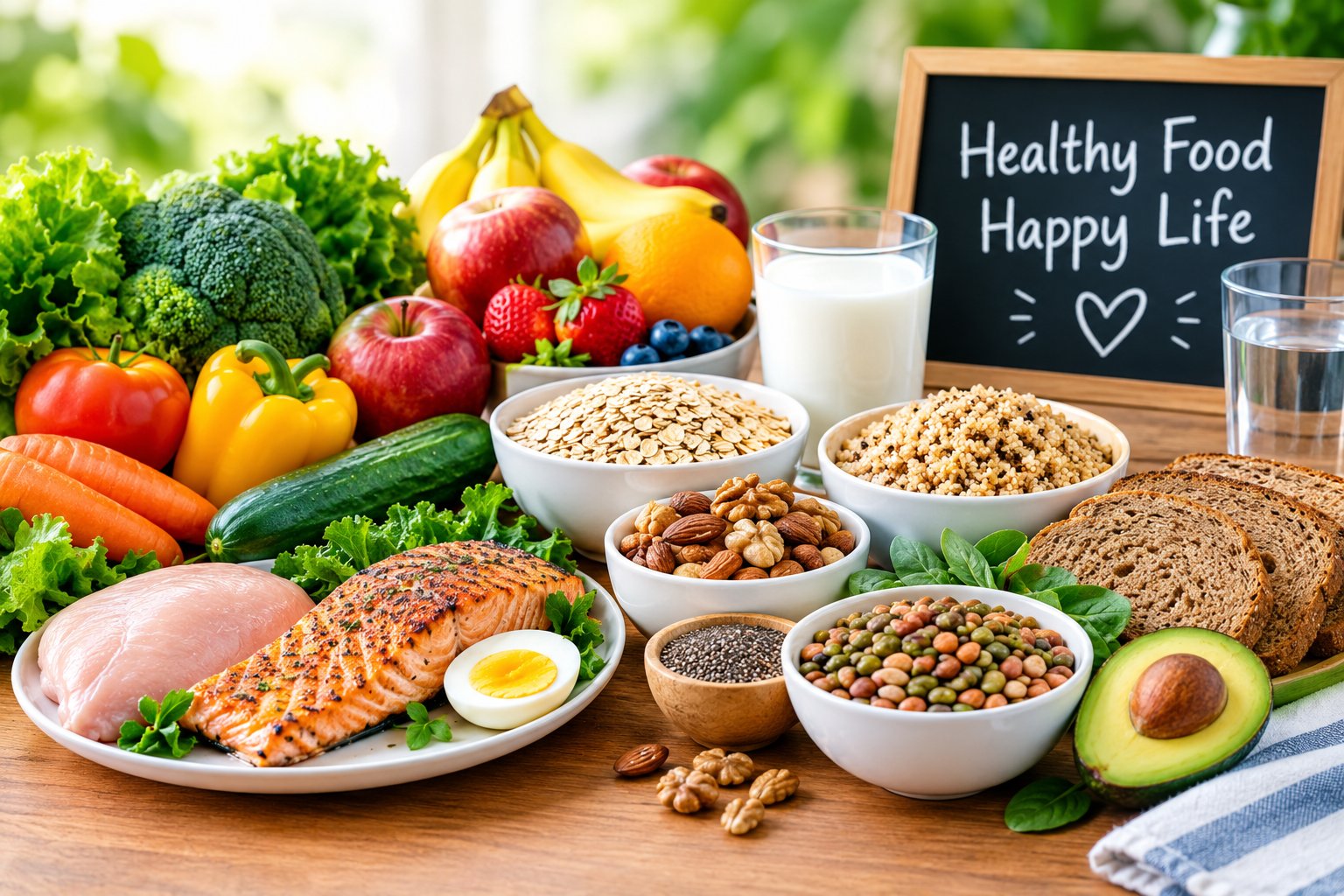
Eating Healthy: Making Healthy Eating Easier
Eating nutrient-rich food is crucial for good body and mind health. The food we consume is fuel for our bodies that is required for everyday functioning. A healthy diet can help maintain health, weight, energy, and reduce the likelihood of numerous health issues.
Healthy eating isn’t about the radical dietary changes and the elimination of all your favorite foods. Rather, it is about selecting nutritious foods frequently and establishing a healthy eating plan which is suitable to your lifestyle. Little changes in what we eat every day can greatly add up over the years.
What is healthy food?
Healthy food is food which is full of important nutrients, including vitamins A and C, minerals, protein, fibre, healthy fat and carbs. These nourishments are needed for the body’s work, like energy creation, tissue repair, immune boost and bone and muscle health.
Fruits, vegetables, whole grains, beans, nuts, seeds, eggs, fish, lean meat and low fat dairy foods are healthy foods. Varying eating patterns are important because foods supply foods contain different nutrients in them.
A healthy diet is not a diet of a specific food. The idea is to have a good mix of food groups each day.
What do you think is the importance of healthy food?
Food is related directly to our overall health. Eating good food regularly ensures that you’re giving your body essential fuel to operate properly.
Better energy is one of the benefits associated with eating healthily. Complex carbohydrates, protein, and healthy fats found in foods can help you keep your energy up all day long.
Good foods may also help keep you healthy. All fruits and vegetables provide vitamins, minerals and other compounds that play a role in normal immune function.
It is also good to get a balanced diet which is helpful to maintain a healthy weight. Nutrient and fibre-rich foods can also help you feel full and give you important nutrition.
Healthy eating will also help to promote heart health and digestion along with other healthy lifestyle choices like an active life and getting adequate sleep.
Healthy Diet: Important Food Groups
Balanced diet should contain foods of various food groups. Each group supplies the body with nutrients.
1. Fruits
Fruits have an abundant nutritional value, in terms of richness of vitamins, minerals, fiber as well as other beneficial plant constituents and compounds. Fruits that are good for you are apples, bananas, oranges, berries, mangoes, papayas, and guavas.
Eat a variety of fruits at meals or snacks. Although it may be easier to drink fruit juice, drinking fruit juice without the benefit of fiber compared to eating whole fruit is generally a bad idea.
2. Vegetables
Vegetables play a vital role in a healthy diet. They contain vitamins, minerals, fibre and various plant nutrients.
Leafy green, carrots, tomatoes, cucumbers, broccoli, cauliflower, beans, and bell pepper are all part of a healthy diet. Having vegetables of different colors provides you with a greater diversity of nutrients.
3. Whole Grains
Whole grains are a higher-quality than refined grains because they have more of the nutrients and fiber present in the grain, which are found in nature. Examples include oats, brown rice, whole wheat bread, barley and whole grain cereals.
Eating whole grains more frequently can be an easy method of eating more fibre and filling up meals.
4. Protein-Rich Foods
Protein is needed to repair body tissues, build muscles and maintain muscle mass. Eggs, fish, chicken, beans, lentils, peas, raw nuts and seeds, and dairy products are good sources.
It’s not necessary to consume a single source of protein. Having both plants and animals will help you have a variety along the meals.
5. Healthy Fats
Fat is another nutrient that is important, though there is a difference in types. Whole foods that contain good fats are avocados, nuts, seeds, fatty fish and olive oil.
Do not completely eliminate fat, but rather opt for healthier fat sources and control portion sizes.
Healthy Food for Breakfast
Take advantage of breakfast time to eat healthy foods. A healthy breakfast can consist of whole grains, protein, fruit and healthy fat.
For instance, oatmeal with fruit and nuts has fibre and energy. Full-grain toasted egg is also an satisfying meal with eggs, vegetables.
When there is limited time, fruit + yogurt, egg + whole grain bread or oatmeal are handy choices.
Healthy Lunch & Dinner Concepts
To create a balanced meal, a general guideline is to include a variety of vegetables, protein, and carbohydrate (whole grain or other).
An example of a healthy meal might be brown rice with vegetables and fish, or whole-wheat bread with chicken and generous amount of salad.
Then there’s the value of making a well-rounded meal a healthy one. Rather than drastically dialing back your normal eating habits, try to incorporate more vegetables, limit salt and added sugar, watch your serving sizes and select leaner protein options.
Healthy Snacks
Snacks can fill in between mealtime. But, numerous packaged foods are high in added sugar, salt, or unhealthy fat.
Fruits or fresh fruit, yogurt (unsweetened), a few handfuls of nuts, boiled eggs, or sliced vegetables are all healthy snack options.
Making a plan ahead for snacks may help you make healthier choices when you are very hungry.
Foods to Limit
It’s not about eliminating foods entirely when eating healthy. There are some foods, on the other hand, that better not be eaten too often or too much.
Eating foods with a lot of added sugar, too much sodium, or too much fat can lead to an unbalanced diet, because they have too much of a single nutrient, or too many more of the nutrient in question. These could include sugary drinks, highly processed foods, sweets and lots of fast food.
Don’t focus on restrictions, but rather building a base upon healthy foods and having lighter servings of not-so-healthy foods occasionally.
Get into the habit of eating more healthy food with these tips!
It is not a radical and immediate change of diet that has to be achieved. It’s easier to maintain something small and realistic.
Keep trying to add one extra portion of vegetables to their meals each day.Firstly try adding one additional portion of vegetables to meals each day. Drink water more frequently than sugary beverage. Substitute refined grains with whole grains, if possible. Have fresh fruit in the house for snacks and include a source of protein in your meals as much as possible.
Food labels can also provide information about the foods consumed. Be mindful of portion sizes and total sugar, sodium, saturated fats, protein and fiber.
Healthy eating isn’t always easy, but planning a meal makes it easier. Some food items can be prepared ahead of time to help save time and decrease the urge to take the easy route of using quick meal items.
Healthy Food and Hydration
A healthy diet doesn’t just involve solid foods. Water is also essential for normal body functions.
Water is usually preferred as a preferred hydration medium. The amount of fluid you require will depend on how active you are, weather, age and general health.
Avoid excessive sugar intake from drinks, opt for water throughout the day and more often. Fruits and veggies can also be a source of fluid as well.
Eating Healthy at home for All the Family
Fingal County Council recognizes that healthy eating can improve the lives of all from a young age. Families have opportunities to promote good food habits at home by making it a pleasure to partake in meals, and ensuring access to good food.
A wide range of fruits & vegetables, grain & high protein options can be introduced to children. Adults can model a healthy food choice for kids, too, by making food choices that are healthy.
Everyone in the family has preferences for food. It’s not about perfection, but about offering setting in which nutritious choices are readily available and easy.
Conclusion
Good food is a component to a healthy lifestyle. A healthy eating pattern helps the body get the nutrients it needs, maintain normal body functions and can play a role in staying healthy in the long run.
Balance and variety is key. Eat plenty of fruits and vegetables, choose whole grains, get enough protein, healthful sources of fat, drink enough water, and limit foods that are high in added sugar & excessive sodium.
It’s not necessary to make a complete change at once. Make small changes that you can stick to like eating more vegetables, opting for whole grain options, cooking at home and eating healthier snacks.
It’s not about being perfect with your eating; it’s about making a commitment to eating healthy. It’s all about making better choices… more often… and establishing eating habits that can carry you through the years and contribute to good health.