
 By admin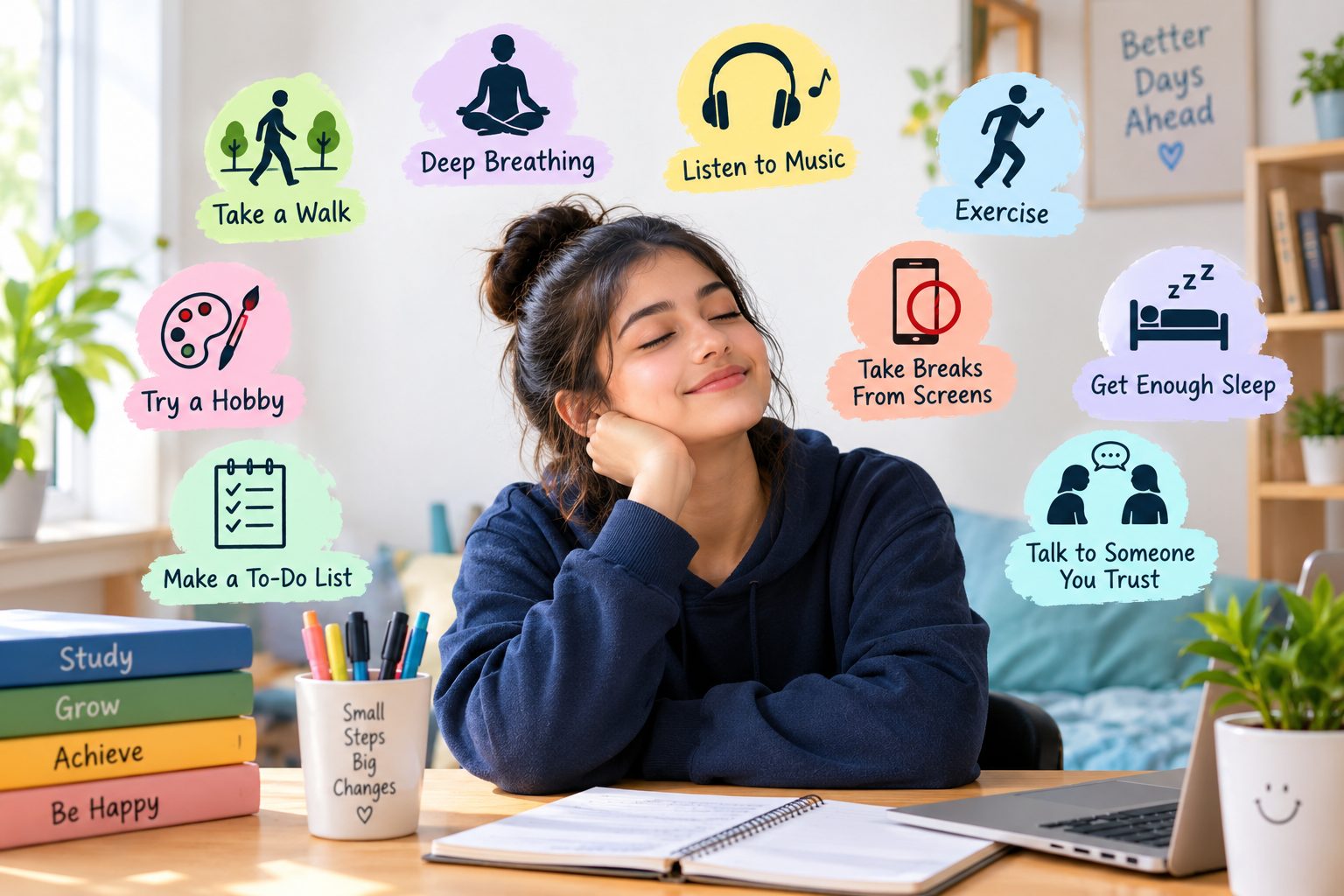
Stress Relief Activities for Students: 9 Simple Ways to Feel Better
Being a student can be a thrilling ride, but it can also bring on a fair share of stress. With classes, exams, projects, deadlines, social events, and future aspirations, it’s easy to feel overwhelmed. A little bit of stress can actually help keep you focused and driven, but when it piles up, it can make concentrating, sleeping, and enjoying life a lot tougher.
The silver lining?
There are plenty of straightforward stress relief activities that students can tap into to manage daily pressures and build a healthier routine. These activities don’t require fancy gear or a ton of spare time. Even just a few minutes of relaxation can provide your mind with a much-needed breather.
1. Take a Walk :
One of the simplest ways to hit pause on studying is to take a walk. A quick stroll around your home, school, campus, or neighborhood can give you a break from the books and screens.
After a long study session, try stepping out for a 10–15 minute walk. Instead of dwelling on assignments or tests, take a moment to soak in your surroundings. A brief break can help you return to your work feeling refreshed and ready to tackle it.
2.Practice Deep Breathing
When stress hits, you might notice your body tensing up or your breathing becoming shallow. Deep breathing is a straightforward relaxation technique you can do just about anywhere.
Find a comfortable spot, relax your shoulders, and take a slow, deep breath in. Then exhale gently. Keep this up for a couple of minutes while focusing on your breath. This can be especially helpful before a test, presentation, or important class.
3. Listen to Music
Music can be a delightful way to unwind after a hectic study session. Curate a playlist filled with songs that make you feel calm and at ease.
You can enjoy music during a short break, while getting ready for school, or when winding down before bed. If you find music distracting while studying, save it for your downtime instead.
4. Get Some Physical Exercise
Engaging in physical activity is another great way to handle everyday stress. You don’t need to commit to an intense workout to incorporate movement into your day.
Engaging in simple activities like stretching, walking, cycling, or even dancing can be a lot of fun. If you’ve been glued to your study materials for hours, why not take a quick break to get your body moving? Stretch out your arms, shoulders, neck, and legs before you dive back into your work.
5. Make Time for a Hobby
Hobbies are a fantastic way for students to unwind and enjoy something beyond their schoolwork. Whether it’s reading, drawing, snapping photos, gardening, cooking, writing, crafting, or playing an instrument, these activities can offer a refreshing break from the daily grind.
You don’t need to dedicate hours to a hobby; even just 15 to 30 minutes can give you a little something to look forward to during a hectic day.
6. Make a Simple To-Do List
Stress often creeps in when you have too many tasks swirling around in your head. Jotting them down can help you feel more organized and in control.
Try creating a brief to-do list for each day and tackle one task at a time. If an assignment feels overwhelming, break it down into smaller, manageable steps. This approach can make it easier to get started and stay focused.
7. Take Breaks From Screens
Students frequently find themselves glued to their phones, computers, and tablets for hours on end. Taking regular breaks from screens is essential for giving your mind a chance to recharge.
Instead of jumping straight from your computer to your phone, take a moment to stand up, stretch, hydrate, or gaze out the window. Even a quick screen break can make your study sessions feel less exhausting.
8. Get Enough Sleep
Quality sleep is a crucial part of a healthy routine for students. While it might seem tempting to pull an all-nighter to cram for exams, consistently sacrificing sleep can leave you feeling drained and unfocused.
Whenever possible, try to stick to a regular sleep schedule. Establish a calming bedtime routine and ensure you’re giving yourself enough time to rest.
9. Talk to Someone You Trust
You don’t have to face every stressful situation on your own. Opening up to a trusted friend, family member, teacher, counselor, or another supportive person can help you feel less alone.
Sometimes, just sharing your thoughts can make a tough situation feel more manageable. If stress is significantly impacting your daily life, don’t hesitate to reach out to a qualified professional for support.
Conclusion
Dealing with student stress doesn’t always mean you have to overhaul your entire lifestyle. There are plenty of easy stress relief activities for students, like taking a walk, practicing deep breathing, jamming to your favorite tunes, exercising, indulging in hobbies, organizing your tasks, stepping away from screens, and ensuring you get enough sleep. Pick a few that resonate with you and weave them into your daily routine.
[…] use some of the stress relief techniques explained in the materials. Try to use some of the simple relief techniques explained in the […]